






Can You Get Dental Implants If You Have Gum Recession or Bone Loss?
.jpg)
If a previous dentist told you that you were not a candidate for dental implants because of gum recession or bone loss, it may be time for a second opinion.
Advances in bone grafting and implant placement mean that many patients who were once turned away are now excellent candidates. At the Center for Advanced Dentistry right here in Loveland, Colorado, Dr. Andrew Howard and this team evaluate every case individually, because bone loss affects everyone and is understood and carefully considered.
Why Gum Recession and Bone Loss Affect Your Ability to Get Dental Implants
A dental implant needs a sufficient amount of healthy jawbone to fuse with and remain stable over time. Gum recession is often a visible sign of an underlying issue with the bone beneath it, most commonly gum disease, which slowly breaks down the bone and tissue that support your teeth.
Tooth loss itself can also lead to bone loss, since the jawbone needs the stimulation of tooth roots to maintain its density. Once a tooth is gone, the bone in that area can begin to shrink within months. This bone loss is why patients who have had missing teeth for a long time, or a history of gum disease, are often told they do not have enough bone for an implant in its ideal position.
The Good News: Bone Loss Does Not Automatically Rule You Out
Many patients worry that bone loss or gum recession might disqualify them, but advances in dentistry can often restore or work around these issues, helping you feel hopeful about your options.
In many cases, the bone can be rebuilt, or the implant treatment plan can be adjusted to use the remaining bone. The right approach depends on how much bone loss you have, where it is located, and your overall gum health.
Treatment Options That Can Restore Your Candidacy
Bone grafting. Bone grafting adds material to areas where the jawbone has thinned, giving it time to heal and rebuild before implants are placed. Depending on your needs, the graft material may come from your own body, a donor source, or a synthetic substitute. After a free consultation with our team, we can review the best options for your needs.
Sinus lift. For implants in the upper back jaw, a sinus lift adds bone beneath the sinus cavity, which is often one of the first areas to lose density after the loss of upper molars.
Ridge augmentation. When the jawbone ridge itself has narrowed or become uneven, ridge augmentation rebuilds its shape so it can properly support an implant.
Guided bone regeneration. This technique uses a membrane placed over a bone graft to protect it as new bone forms, and is often used alongside implant placement or extraction.
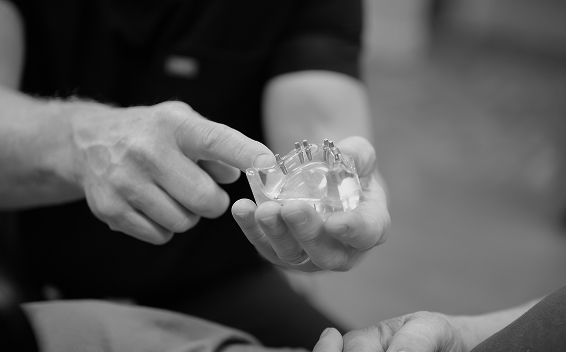
Angled implant placement (All-on-4). For patients missing most or all of their teeth in an arch, techniques like All-on-4 use angled implant placement to leverage the existing bone, which can reduce or eliminate the need for grafting altogether. You can read more in our article on All-on-4 dental implants. (Nick, link once the other blog is live)
Treating gum disease first. If active gum disease is present, it needs to be brought under control before any implant treatment moves forward. Our periodontal treatments are designed to stabilize your gum health as the first step toward your new dental implants.
What Determines Whether You Are a Candidate
A few factors go into this decision:
- The amount and density of bone remaining, measured with 3D imaging
- Whether gum disease is active or has been treated and stabilized
- Overall health factors such as diabetes management or smoking, which can affect healing
- Your goals and timeline, since bone grafting adds healing time before implants can be placed
.jpg)
What to Expect at Your Consultation
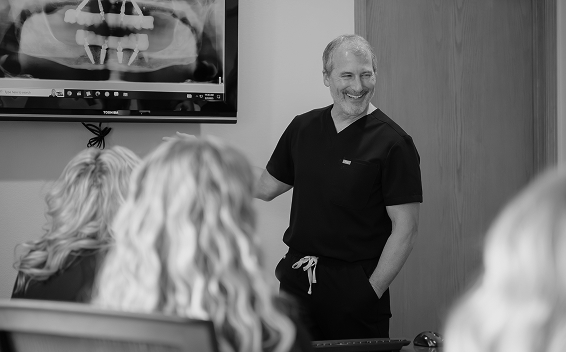
Your visit begins with a 3D CT scan, giving Dr. Howard a detailed view of your bone structure. He will assess your gum health and discuss your dental history, then provide a clear, personalized plan, whether it involves grafting, alternative approaches, or confirming candidacy. This ensures you leave with a specific plan rather than a guess.
Frequently Asked Questions
Can you get dental implants after years of gum disease? Yes, in most cases. Once active gum disease is treated and your gums are stable, many patients become good implant candidates, sometimes after a bone grafting procedure to rebuild lost support.
How long does bone grafting take to heal before implants can be placed? Healing time typically ranges from three to six months, depending on the size of the graft and the area being treated. Smaller grafts may heal faster, and in some cases, the implant can be placed at the same time as the graft.
Are there implant options that do not require bone grafting? Yes. Techniques such as All-on-4 use angled implant placement to leverage existing bone, which can reduce or eliminate the need for grafting in patients missing most or all of their teeth in an arch.
Will insurance cover bone grafting for dental implants? Coverage varies by plan. Some medical or dental insurance plans cover grafting when it is medically necessary. Our team can help verify your benefits before treatment begins.
Find Out Where You Stand
Gum recession and bone loss are common issues, but they don't have to end your options for dental implants. Schedule a free consultation with Dr. Howard for a personalized assessment and to discover your best path forward. Your smile transformation is within reach!
Schedule Your Dental Appointment in Loveland, CO
Please call 970-669-3918 or request an appointment online to set up your first visit. We’ll be in touch soon.